
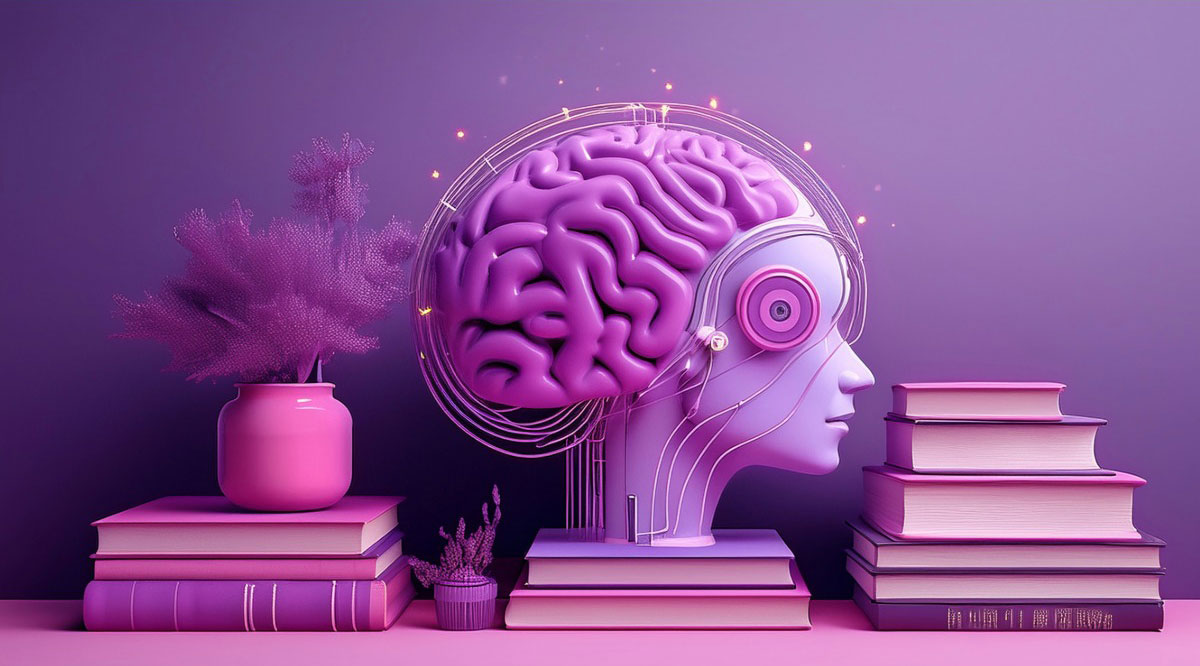
How Algorithms Are Changing Reading Habits
Artificial intelligence has found its way into nearly every corner of culture, and reading is no exception. Modern recommendation systems now guide readers through oceans of titles that once felt overwhelming. The shift is not only about speed but also about discovering works that might otherwise remain hidden on dusty digital shelves. AI does not simply serve a list of books. It tries to read the subtle cues of taste genre mood and even the rhythm of earlier choices.
This growing sophistication has turned book discovery into an almost personal conversation between reader and machine. Algorithms draw patterns from past picks and predict future interests. At times the experience feels like meeting a friend who knows every preference without asking. Zlib completes the reading experience for many users because it offers both wide access and smart direction. This combination of reach and guidance shows how AI can elevate the act of choosing what to read next.
Balancing Technology and Human Taste
There is still an old tension between human taste and machine calculation. A librarian might recommend a novel after sensing a pause in a reader’s voice while an algorithm notices the number of pages finished in a night. Both approaches point to the same goal yet come from different instincts. Readers trust stories that feel alive and not just sorted by data.
The art lies in striking a balance. AI can provide a foundation while human taste adds nuance. When algorithms suggest "Pride and Prejudice" to a lover of "Jane Eyre" it is logic. When a friend says the same thing it feels like an invitation. Neither cancels out the other. Instead they enrich the journey. Z-library stands as an example of how technology and human curiosity meet on equal ground since it opens doors while leaving choice in the hands of readers.
Where AI Shines Most
The real strength of AI rests in its ability to spot patterns that even seasoned critics might miss. It can track rising voices in literature before they hit mainstream lists. It can also match obscure historical accounts with modern nonfiction based on shared themes. To show how this works in practice consider three areas where algorithms excel:
Hidden connections across genres
AI systems can link a mystery novel with a work of philosophy when both explore the same idea of justice. These links are not obvious at first glance but they reveal themselves when machines examine deeper layers of text and reader behavior. This type of recommendation helps readers cross boundaries and expand horizons. A philosophy lover might stumble upon a detective series that raises the same questions about truth and morality leading to a richer experience.
Timing and relevance
Recommendations that arrive at the right moment matter more than long lists. AI can notice seasonal patterns like increased interest in ghost stories in October or books on renewal in early spring. By learning these rhythms it suggests titles that resonate with mood and time. The sense of relevance makes readers feel the book was meant for that moment which increases satisfaction and deepens trust in the process.
Matching depth with attention span
Some readers want short stories for a train ride while others crave long epics for winter evenings. AI can identify not only subject interest but also attention span. By combining data from earlier reading behaviour with book structure it can suggest works that fit the occasion. A reader who enjoys finishing chapters quickly may be guided toward brisk narratives while those who savor detail may find sprawling sagas at their fingertips.
This blend of pattern recognition and timely guidance creates a landscape where reading feels less random and more intentional. It also leaves room for surprise since hidden gems appear where least expected.
The Road Ahead for AI in Reading
The next frontier is not about more data but about deeper understanding. Future systems may grasp emotional undertones or adapt to life stages. A teenager seeking identity may be guided toward coming of age stories, while an adult facing loss may discover narratives of resilience. The aim is empathy rather than pure efficiency.
There will always be critics who fear overreliance on machines. Yet the history of books shows that tools for discovery have always evolved. Card catalogs gave way to online searches and now algorithms carry the torch. The task remains the same: to bring the right story to the right person at the right time.
AI is simply the latest chapter in this long tale of guidance and discovery. Customers may ignore your 500-word product description. But they’ll glance through five short questions. That speed makes the whole experience lighter. Smoother. Less stressful.