
understanding the IEP for seismic assessments in New Zealand
author: Penelope Hunt, 0 March 2025
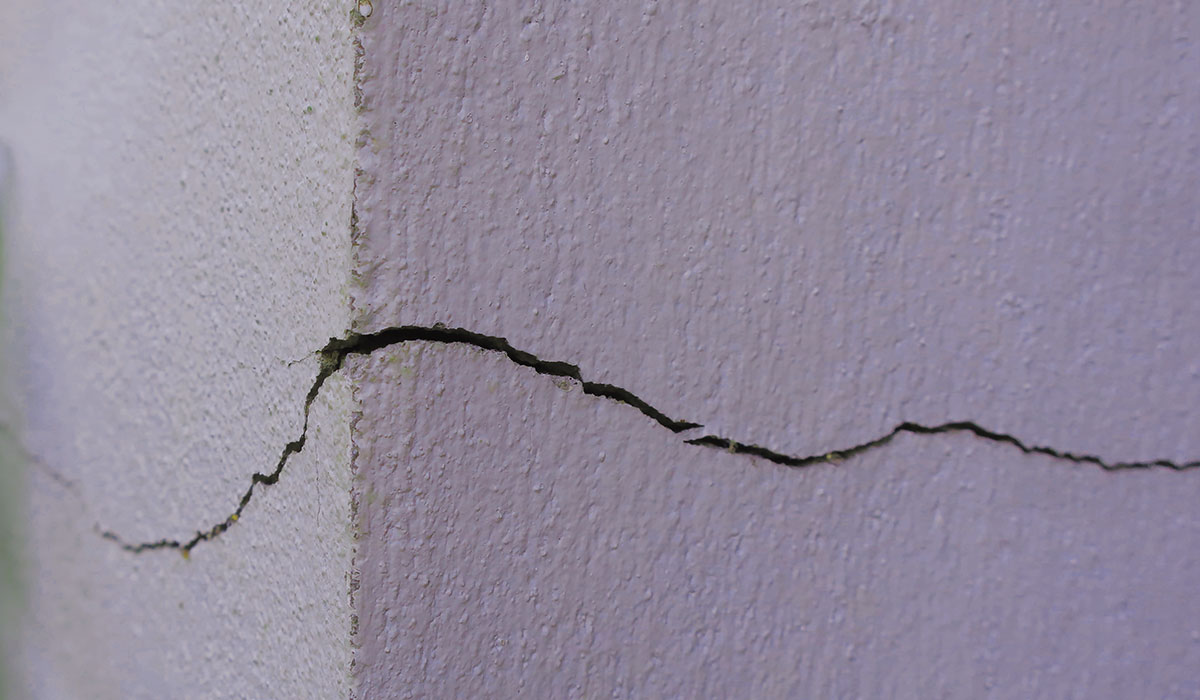
New Zealand, known for its active seismic landscape, prioritises building safety to mitigate earthquake risks. One crucial aspect of this effort is the Initial Evaluation Procedure (IEP), a preliminary method used to assess a building’s seismic performance and identify earthquake-prone structures. Understanding this process is essential for property owners, engineers, and policymakers.
what is the initial evaluation procedure?
The Initial Evaluation Procedure (IEP) is a standardized approach developed to provide an initial assessment of a building’s seismic resilience. It is commonly used by territorial authorities and structural engineers to determine whether a more detailed seismic assessment is required. The IEP is particularly useful for older structures that may not meet current seismic design standards.
importance of the IEP in New Zealand
New Zealand’s Building (Earthquake-prone Buildings) Amendment Act 2016 mandates that buildings must be assessed for seismic safety. The IEP helps in classifying buildings based on their earthquake risk, ensuring necessary retrofits and reinforcements are implemented where needed. The process assists authorities in prioritizing buildings that require immediate attention, reducing the potential hazards posed by structurally weak constructions.
the IEP assessment process
The IEP involves several key steps:
1. Site and Building Evaluation : Engineers review the building’s location, structural type, and construction materials.
2. Seismic Risk Categorization : Based on location and design, the building is categorized into a risk group.
3. Preliminary Score Calculation : A score is assigned based on existing structural conditions and compliance with modern seismic standards.
4. Recommendations for Further Assessment : If the building scores below a certain threshold, a detailed seismic assessment is recommended.
This structured process provides a quick and effective way to determine the need for further investigation.
benefits of conducting an IEP
● Early identification of seismic risks helps property owners make informed decisions about necessary upgrades.
● Compliance with New Zealand regulations ensures buildings meet safety requirements.
● Protection of occupants and investments by mitigating potential earthquake damage.
● Prioritisation of seismic strengthening efforts by local councils and property managers.
For a comprehensive guide on conducting an initial evaluation procedure NZ, including expert insights and compliance requirements, visit the official site.
final thoughts
Seismic assessments, including the Initial Evaluation Procedure, are fundamental in enhancing building resilience across New Zealand. By following the IEP, property owners and regulatory bodies can take proactive steps in safeguarding lives and infrastructure. As seismic risks continue to be a priority, staying informed about assessment procedures and compliance is essential in creating a safer built environment.