
free-range chicken breast: a healthy, more sustainable choice
author: Penny Hunt, 13 March, 2026
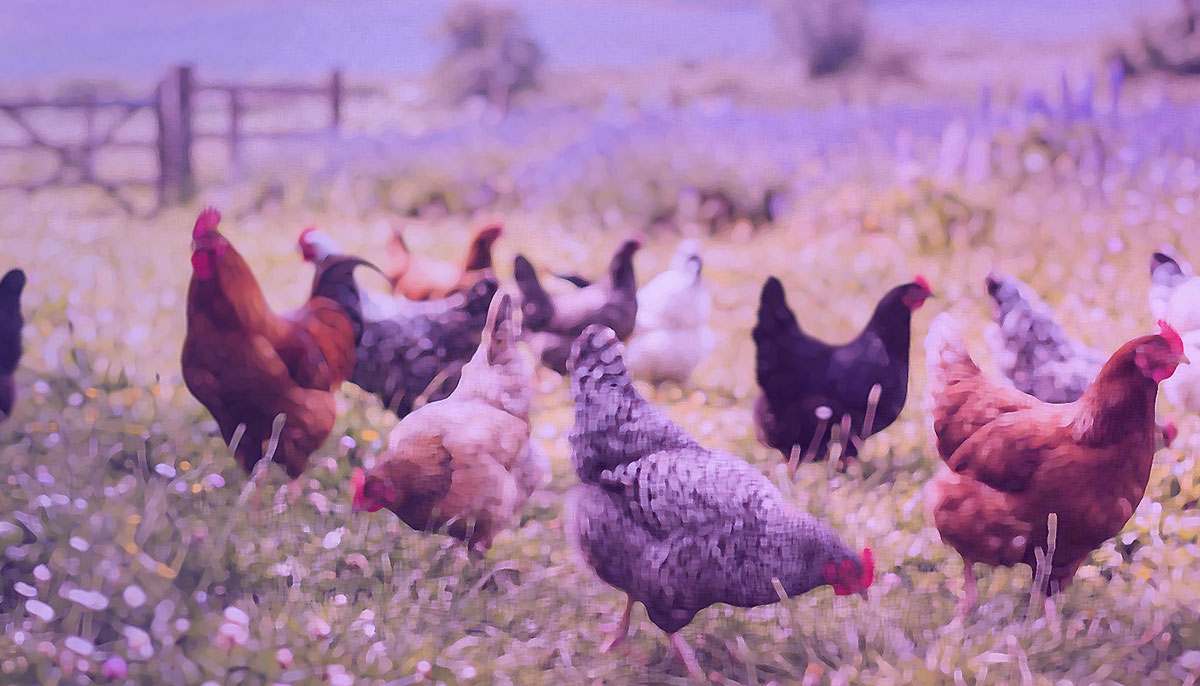
In recent years, there has been a growing demand for ethically sourced and sustainable food products. One such product that has gained significant popularity is free-range chicken breast. With increasing awareness about animal welfare, environmental impact, and the benefits of healthier eating, many consumers are turning to free-range chicken as a better alternative to conventionally farmed poultry.
This article will explore what free range chicken breast is, the benefits of choosing it, and why it has become a preferred option for many New Zealanders looking to make more mindful food choices.
What is Free-Range Chicken?
Free-range chicken refers to poultry that is raised in an environment that allows them to roam freely outdoors, as opposed to being confined in small cages or indoor spaces. While the exact conditions can vary depending on the farm, free-range chickens typically have access to the outdoors, where they can forage for food, exercise, and engage in natural behaviours.
Free-range farming methods differ from conventional factory farming, where chickens are often kept in overcrowded, confined spaces with limited access to natural light or outdoor areas. The emphasis on humane treatment, outdoor access, and a more natural lifestyle has led to free-range chicken being regarded as a healthier and more ethical choice.
Health Benefits of Free-Range Chicken Breast
1. Higher Nutritional Value:
Free-range chicken breast is often touted as being more nutritious than conventionally farmed chicken. Chickens raised in free-range environments have access to a varied diet that includes insects, plants, and seeds, which can result in leaner meat with higher levels of certain nutrients. Studies have shown that free-range chicken can have higher amounts of healthy omega-3 fatty acids, vitamin E, and other essential vitamins compared to conventionally raised poultry.
2. Lower Fat Content:
Free-range chicken tends to have a lower fat content, particularly unhealthy saturated fats, due to the more active lifestyle of the birds. The ability to roam and forage outdoors contributes to muscle development and leaner meat. This can make free-range chicken a healthier option for those looking to reduce their fat intake while still enjoying a high-quality source of protein.
3. Fewer Additives and Hormones:
Many conventional poultry farming practices involve the use of growth hormones and antibiotics to promote faster growth and prevent disease. In contrast, free-range chicken is less likely to be subjected to these practices, as ethical farming standards typically prohibit the use of hormones and limit antibiotic use. This can result in cleaner, more natural meat without the potential risks of hormone or antibiotic residues.
4. Better Taste and Texture:
Many people who prefer free-range chicken breast claim that it has a superior taste and texture compared to conventionally farmed chicken. The natural diet and ability to move around can contribute to firmer, more flavorful meat. Whether grilled, roasted, or pan-fried, free-range chicken often has a richer, more distinct flavour profile that is highly sought after by food enthusiasts and home cooks alike.
Ethical and Environmental Benefits
• Animal Welfare: One of the most compelling reasons people choose free-range chicken is the ethical treatment of the animals. Free-range farming allows chickens to engage in natural behaviours such as scratching the ground, pecking for food, and socialising with other chickens. This results in a more humane life for the chickens, in contrast to the cramped, unnatural conditions found in factory farms.
• Sustainable Farming Practices: Free-range chicken farming is often more sustainable than conventional farming methods. While free-range systems may require more land, they typically result in less environmental damage. For example, free-range farming can help improve soil health, reduce waste, and encourage biodiversity by allowing chickens to roam and forage on open land. Additionally, some free-range farms use regenerative farming practices that focus on restoring ecosystems and enhancing sustainability.
• Reduced Carbon Footprint: Free-range farming practices generally have a lower environmental impact compared to factory farming. The ability to raise chickens outdoors with access to natural resources can result in a smaller carbon footprint, as the need for artificial lighting, heating, and intensive feeding is reduced. Furthermore, some free-range farms prioritise local production and distribution, which can help reduce the environmental impact associated with transporting food long distances.
Choosing Free-Range Chicken Breast in New Zealand
In New Zealand, consumers have a wide range of options when it comes to purchasing free-range chicken. The country has seen a rise in the number of ethical and sustainable farms that produce high-quality free-range poultry products. Many New Zealand farms are certified by organisations such as the SPCA or Animal Welfare Approved, which provide assurances that the chickens are raised according to strict standards of animal welfare.
When shopping for free-range chicken breast, it’s important to look for labels or certifications that indicate the chicken has been raised in a truly free-range environment. Not all so-called “free-range” labels are the same, and some may still only allow chickens limited access to outdoor spaces. To ensure the best ethical and environmental practices are used, seek out brands that are transparent about their farming methods and certifications.
Conclusion
Free-range chicken breast is a healthier, more ethical, and environmentally friendly option for those who are mindful of their food choices. Whether you're concerned about animal welfare, seeking a more nutritious meal, or looking to support sustainable farming practices, free-range chicken offers a solution that aligns with these values. By choosing free-range chicken, New Zealanders can enjoy a superior-quality product while contributing to a more humane and sustainable food system. So, next time you’re in the grocery store, consider making the switch to free-range chicken for a better meal and a better world.